 Posted by
 Key Takeaways
- Heavy-duty industrial blowers improve airflow inside production facilities.
- They help reduce overheating and machine breakdowns.
- They support dust control and cleaner workspaces.
- Proper ventilation improves worker comfort and safety.
- They help maintain stable product quality during production.
- Faster drying processes improve production speed.
- Moisture control helps protect materials and equipment.
- Better airflow can improve energy efficiency.
- They reduce unexpected production downtime.
- Choosing the right blower system supports smoother long-term operations.
Have you ever wondered why some factories run smoothly while others keep facing overheating, dust buildup, poor airflow, or machine breakdowns? The answer often comes down to something many people ignore until problems appear. Industrial airflow systems.
Blowers by industrial blower manufacturers play a major role in keeping production lines stable and efficient. Many industries depend on them every single day.
From manufacturing plants to food processing units, these blowers help move air, remove heat, control dust, and improve working conditions.
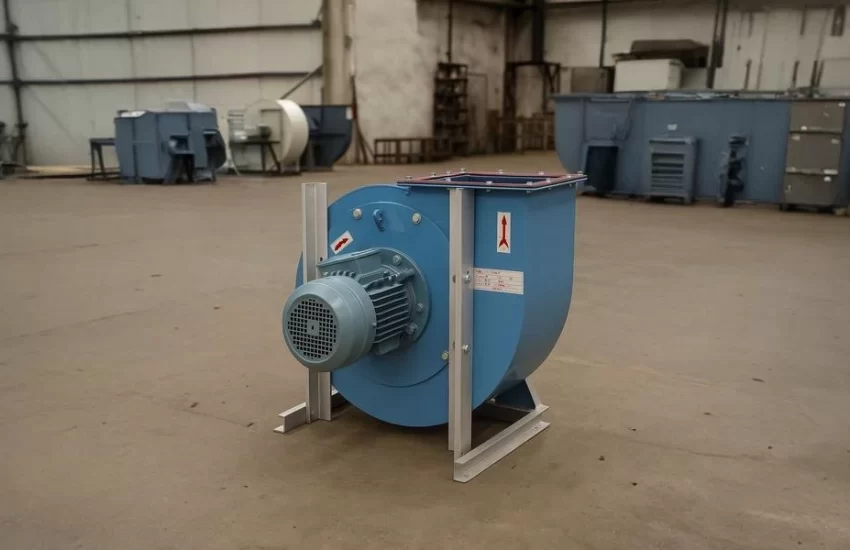
In simple words, industrial blowers are powerful machines designed to move large amounts of air or gas. They help maintain airflow inside industrial spaces and production systems. Some are used for cooling while others help with ventilation, drying, dust collection, or material handling.
Why Heavy-Duty Industrial Blowers Matter in Daily Industrial Operations?
If you manage a factory, warehouse, workshop, or production unit, airflow problems can quietly damage your operations. Machines produce heat all day. Dust spreads into sensitive equipment. Moisture affects raw materials.
For workers, proper airflow also improves comfort and safety. A cooler and cleaner workplace can reduce fatigue and help employees work more efficiently.
Ways Heavy-Duty Industrial Blowers Reduce Production Issues
Industrial Blowers Help Control Excess Heat
Heat is one of the biggest reasons machines fail during production. Motors, compressors, furnaces, and production equipment generate constant heat during operation.
They remove hot air and improve ventilation inside the facility. This helps machines stay within safe operating temperatures.
They Reduce Dust Accumulation in Production Areas
Dust may look harmless at first, but industrial dust can seriously affect machinery and product quality. In industries like cement, woodworking, textiles, and food processing, dust buildup creates major operational issues.
They help remove airborne particles and support dust collection systems. They keep the environment cleaner and protect machines from clogging or damage.
Better Airflow Improves Machine Performance
Machines need stable airflow for proper operation. Poor ventilation can increase pressure around equipment and affect production speed.
They create balanced airflow across the production floor. This helps machines operate under better conditions.
Industrial Blowers Help Remove Harmful Fumes
Many industries release smoke, fumes, chemicals, or gases during manufacturing. Without proper ventilation, these pollutants affect both workers and equipment.
They remove contaminated air and improve indoor air quality. This is especially important in welding shops, chemical plants, and paint manufacturing units.
They Help Maintain Product Quality
Some products require controlled airflow during production. Temperature, humidity, and ventilation directly affect the final product quality.
They help maintain stable production conditions. In food processing plants, blowers help remove excess moisture and maintain hygiene. In pharmaceutical manufacturing, airflow systems help support clean production zones.
Even in textile factories, proper airflow can affect fabric quality and consistency.
Heavy-Duty Blowers Support Faster Drying Processes
Many industries depend on drying systems during production. Paint coatings, packaging materials, chemicals, and food products often need controlled drying.
They speed up the drying process by circulating air efficiently. Faster drying improves production speed and reduces delays.
They Reduce Moisture Related Production Problems
Moisture is another hidden problem in industrial facilities. Excess humidity can damage raw materials, affect packaging, and reduce machine efficiency.
They help control humidity by improving ventilation and air movement. This is especially useful in warehouses and storage areas.
Industrial Blowers Improve Energy Efficiency
Many people think industrial blowers consume excessive energy. But modern systems are actually designed to improve efficiency when used correctly.
Efficient airflow reduces machine strain and improves cooling performance. This can lower overall energy usage in production facilities.
Last Words
Heavy-duty industrial cooling systems are much more important than many businesses realize. They are not just ventilation machines. They support machine health, production quality, workplace safety, and operational efficiency. From controlling heat and dust to improving airflow and reducing downtime, these systems help industries avoid many common production issues. The right blower setup can improve both short term operations and long-term performance.
FAQS
They improve airflow, reduce dust buildup, support stable production, and maintain cleaner factory working conditions.
Industries use these for temperature control, smoke removal, material movement, and smooth machine performance during production.
Food processing, chemical plants, cement factories, textile units, and steel industries regularly use heavy-duty blowers for operations.
Check airflow capacity, motor quality, energy efficiency, durability, noise level, and maintenance requirements before choosing.
Yes, they control airborne dust, improve air circulation, and support cleaner environments inside production and storage areas.
They maintain proper airflow and cooling, reducing overheating risks and preventing unexpected machine stoppages during operations.
Centrifugal industrial blowers are often preferred for large factories because they deliver strong airflow and stable industrial performance.
Businesses can buy them from trusted manufacturers, industrial equipment suppliers, and verified online industrial marketplaces across India.
Proper airflow controls heat, removes harmful particles, and supports safer, smoother, and more efficient production line performance.
Yes, energy-efficient ones reduce electricity costs and support long-term industrial operations with better performance stability.